How to Integrate Property Management API
Why API Integration Matters in Modern Property Operations
Property management is no longer a single-system operation. Landlords, property managers, and real estate operators rely on multiple tools for accounting, leasing, tenant communication, analytics, maintenance tracking, and payment processing.
Without integration, these systems create data silos, duplicate work, and operational blind spots.
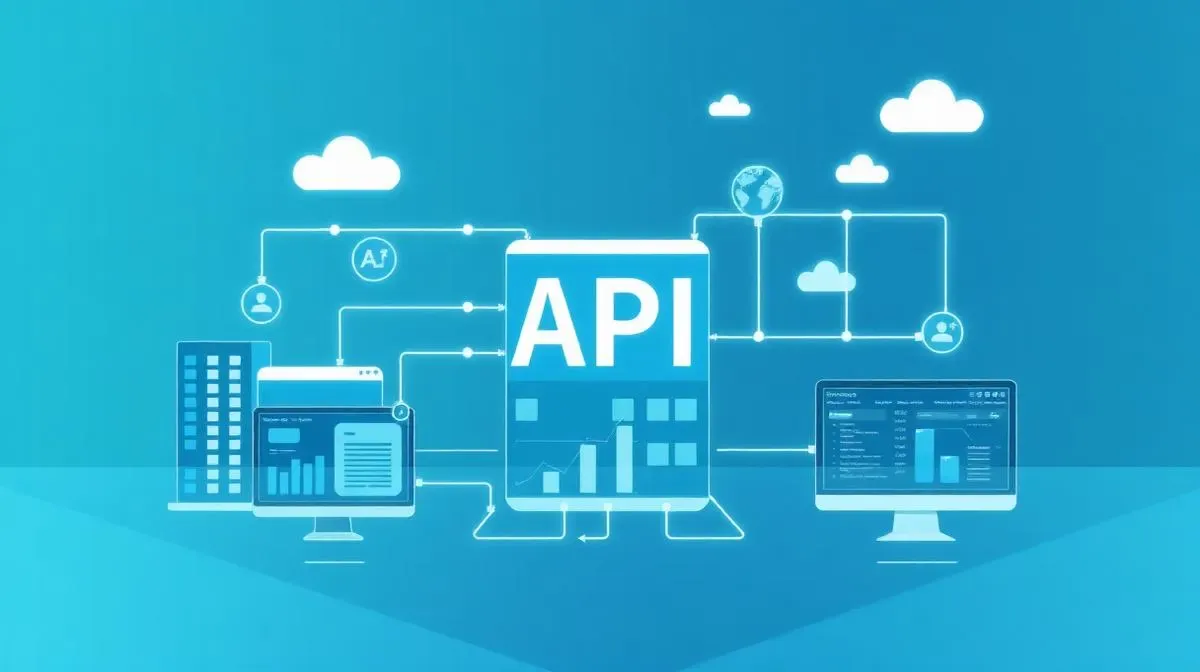
A property management API allows different systems to communicate automatically. Instead of manually exporting spreadsheets, copying tenant data, or reconciling payments across platforms, APIs move information in real time.
For growing portfolios, API integration is not a technical luxury. It is operational infrastructure.
Platforms like Brickwise AI provide API capabilities that connect property data, financial performance, tenant activity, and operational insights into a unified environment. This guide explains how property management APIs work, how to integrate them, and how to design integrations that scale.
What Is a Property Management API?
An API (Application Programming Interface) is a structured way for software systems to exchange data securely.
A property management API allows external applications to access and update information such as:
- Property and unit data
- Tenant records
- Lease information
- Rent payments and balances
- Maintenance requests
- Financial performance metrics
- Occupancy status
- Communication history
Instead of manual updates, connected systems pull and push data automatically.
For example:
- Accounting software retrieves rent payment data
- A tenant portal pulls lease details
- Analytics tools access occupancy and revenue metrics
- Automation systems trigger reminders based on payment status
Common Use Cases for Property Management API Integration
Financial Integration
Connect property data with accounting or financial systems to:
- Sync rent payments automatically
- Track income by property or unit
- Reconcile bank transactions
- Generate financial reports
Tenant Experience Tools
APIs allow tenant-facing platforms to:
- Display lease terms
- Show balances and payment history
- Submit maintenance requests
- Access property announcements
Portfolio Analytics
Operators managing multiple properties use APIs to:
- Aggregate performance data
- Monitor occupancy trends
- Track revenue by market
- Forecast cash flow
Automation Workflows
Integration enables automated actions such as:
- Sending late payment reminders
- Creating maintenance tickets from tenant reports
- Updating vacancy status when leases end
- Triggering renewal workflows
Brickwise AI supports these workflows by providing structured data access for performance tracking, tenant management, and operational reporting.
Core Components of a Property Management API Integration
Understanding the architecture helps ensure a stable implementation.
1. Authentication and Security
Most property management APIs use secure authentication methods such as:
- API keys
- OAuth tokens
- Access tokens with expiration
Best practices:
- Store credentials securely
- Rotate keys periodically
- Limit permissions to required endpoints
- Use HTTPS for all requests
2. Endpoints
Endpoints define what data can be accessed. Common endpoint categories include:
/properties/units/tenants/leases/payments/maintenance/reports
Each endpoint supports operations such as:
- GET (retrieve data)
- POST (create data)
- PUT or PATCH (update data)
- DELETE (remove records)
3. Data Formats
Most APIs return data in JSON format. Integration systems must:
- Parse JSON responses
- Map fields to internal data structures
- Handle missing or optional fields
4. Rate Limits
APIs often restrict the number of requests per minute. Efficient integrations:
- Batch requests where possible
- Cache frequently used data
- Implement retry logic for throttling responses
Step by Step Guide to Integrating a Property Management API
Step 1: Define the Business Objective
Before writing code, identify the operational goal.
Examples:
- Sync rent payments to accounting software
- Pull occupancy data into analytics dashboard
- Automate tenant communication
- Monitor portfolio performance across markets
Clear objectives prevent unnecessary complexity.
Step 2: Review API Documentation
Study the provider's documentation carefully. Focus on:
- Authentication requirements
- Available endpoints
- Required parameters
- Response formats
- Rate limits
- Error handling
Platforms like Brickwise AI provide structured documentation for accessing property performance, tenant data, and financial metrics.
Step 3: Set Up Authentication
Obtain credentials from the provider and implement secure access.
Typical process:
- Generate API key or client credentials
- Store securely in environment variables
- Test authentication with a simple GET request
Step 4: Map Data Fields
Identify how external system fields match API fields.
Examples:
- Tenant ID mapping
- Property identifiers
- Payment status fields
- Lease start and end dates
Poor mapping is a common source of integration errors.
Step 5: Build Data Sync Logic
Determine how data will move:
- One-way sync (read only)
- Two-way sync (read and write)
- Event-based updates
- Scheduled batch updates
For example:
- Nightly rent reconciliation
- Real-time payment updates
- Weekly performance reporting
Step 6: Test with Sandbox or Limited Data
Before full deployment:
- Use test environment if available
- Validate field accuracy
- Simulate edge cases
- Monitor error responses
Testing prevents operational disruption.
Step 7: Deploy and Monitor
After launch:
- Monitor API usage and error rates
- Log all requests and responses
- Set alerts for failures
- Review performance regularly
Architecture Patterns for Scalable Integration
Direct Integration
One system connects directly to the property management API.
Best for:
- Small portfolios
- Simple workflows
Middleware Layer
A middleware service handles:
- Data transformation
- Error handling
- Rate limiting
- Workflow automation
Best for:
- Growing portfolios
- Multiple connected systems
Data Warehouse Integration
For enterprise operators, API data feeds into a central warehouse for:
- Advanced analytics
- Market comparisons
- Portfolio forecasting
Brickwise AI data can support performance dashboards when integrated into analytics pipelines.
Common Integration Challenges and How to Avoid Them
Data Inconsistency
Cause: Multiple systems updating the same fields
Solution: Define a single source of truth. Limit write access to one system.
Rate Limit Errors
Cause: Excessive API calls
Solution: Cache static data. Use batch requests.
Failed Syncs
Cause: Network interruptions or validation errors
Solution: Implement retry logic. Log failed transactions.
Security Risks
Cause: Exposed API keys
Solution: Store credentials securely. Rotate regularly.
How API Integration Improves Property Performance
When implemented correctly, integration delivers measurable operational benefits:
- Reduced manual data entry
- Faster financial reconciliation
- Real-time portfolio visibility
- Better decision making
- Lower administrative workload
With Brickwise AI integration, operators gain access to:
- Portfolio-level performance metrics
- Occupancy tracking
- Revenue analysis
- Tenant activity insights
- Automated reporting workflows
This creates a centralized operational view across properties.
Best Practices for Long Term Success
- Start with one high-value integration use case
- Document data flows and field mappings
- Monitor API performance regularly
- Review permissions and security policies
- Plan for scalability as portfolio grows
- Keep integration logic modular and maintainable
Integration should support growth, not limit it.
Statistics on API Adoption in Real Estate
- Over 70 percent of property management firms now use multiple software systems
- Companies using integrated systems report up to 30 percent reduction in administrative workload
- Real-time financial visibility improves cash flow forecasting accuracy by more than 25 percent
- Automation through APIs reduces data entry errors by over 80 percent
- Portfolio operators using centralized analytics tools make faster pricing and occupancy decisions
FAQs
What is the easiest way to integrate a property management API?
Start with a single read-only use case such as pulling occupancy or payment data into a reporting dashboard before building two-way integrations.
Do I need a developer to integrate an API?
Most integrations require technical expertise, especially for authentication, data mapping, and error handling. Larger portfolios benefit from dedicated development or middleware solutions.
Can APIs sync tenant and lease data automatically?
Yes. Property management APIs allow automated retrieval and updates of tenant records, lease terms, and payment status when configured correctly.
How does Brickwise AI fit into API workflows?
Brickwise AI provides structured access to property performance, tenant activity, financial metrics, and operational data, allowing external systems to build reporting, automation, and analytics workflows around real estate operations.
Is API integration secure?
Yes, when implemented with HTTPS, secure credential storage, limited permissions, and regular key rotation.
Final Takeaway
Integrating a property management API connects your operational systems into a single data ecosystem. Instead of fragmented tools and manual reconciliation, integration creates real-time visibility, reduces administrative workload, and supports better portfolio decisions.
As portfolios grow, the value of integration compounds. Platforms like Brickwise AI provide the structured data foundation needed for automation, analytics, and performance monitoring across properties. When integration is planned carefully and implemented securely, it becomes a long-term operational advantage rather than a technical project.